April is National Poetry Month, a time dedicated to celebrating the power of words, creativity, and self-expression. For students learning online, poetry offers something uniquely powerful: a way to explore voice, identity, and imagination from anywhere.
At Stellar Hollow, we believe that poetry belongs in every classroom — including virtual ones. Whether students are just beginning to experiment with rhyme or crafting complex free verse, National Poetry Month is the perfect opportunity to inspire creativity, strengthen literacy skills, and build community in an online learning environment.
In this post, we’ll explore why poetry matters in a virtual school setting, how families can celebrate at home, and creative ideas to make National Poetry Month memorable for online learners.
What Is National Poetry Month?
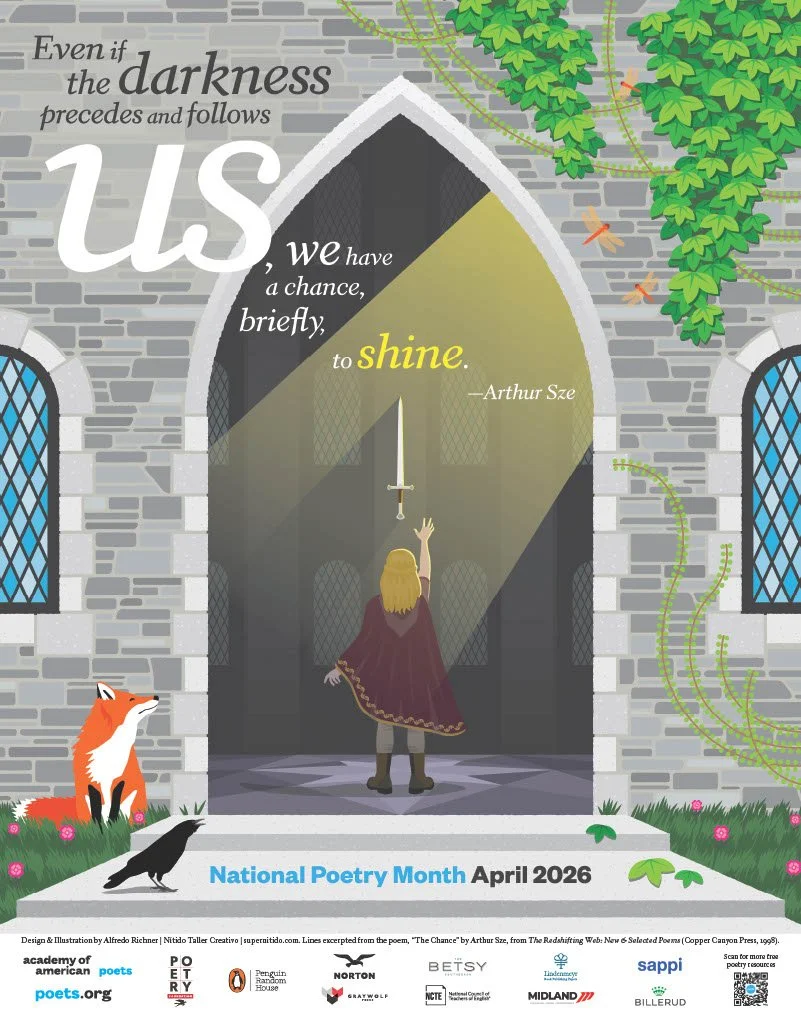
National Poetry Month was launched in 1996 by the Academy of American Poets to increase awareness and appreciation of poetry in the United States. Every April, schools, libraries, and communities across the country highlight the importance of poets and poetry in our culture.
The celebration often includes poetry readings, writing contests, classroom activities, and exploration of famous poets such as Maya Angelou, Robert Frost, and Langston Hughes.
But National Poetry Month is also meant to inspire the next generation of poets, empowering students to discover that they can be poets, too.
Why Poetry Is Perfect for Virtual Learning
Online education provides flexibility and independence. Poetry naturally complements that learning style for several reasons:
1. Building Strong Literacy Skills
Reading and writing poetry strengthens vocabulary, reading comprehension, and critical thinking. Students learn how to analyze figurative language, tone, rhythm, and structure, all skills that transfer directly to essay writing and assessments.
In a virtual school, poetry assignments can be integrated across grade levels and subjects, supporting literacy development in meaningful and creative ways.
2. Encouraging Self-Expression
Many online learners thrive because virtual education allows them to work in an environment where they feel comfortable and confident. Poetry similarly provides an outlet for personal expression, helping students explore emotions, identity, and experiences in a safe, creative space.
For some students, writing a poem can feel less intimidating than writing a traditional essay. Free verse, spoken word, and even digital poetry projects allow students to experiment without rigid rules. They can even play with implementing visual and audio in their poetry, using experimental poets to explore art across mediums.

3. Connecting Community
Community matters, even more so in a virtual school setting. Hosting a virtual poetry reading, publishing student poems in a digital anthology, or featuring a “Poem of the Week” in school communications can bring students together around shared creativity. Even just allowing students to read their work to their classmates or a teacher in a one on one builds relationship and confidence in their community.
National Poetry Month offers the perfect opportunity for Stellar Hollow to spotlight student voices and celebrate the diversity of experiences within the school community.
Creative Activities for Virtual Students
Here are engaging, flexible ideas families and educators can use throughout April:
Daily Poetry Challenge
Encourage students to write one short poem each day of the month. These can include:
Acrostic poems: poetry where the first letter of each line work together to create another message.
Haikus: poetry that follows a 5-7-5 syllable pattern, and is often about nature.
Limerick: poetry that funny or silly, with a bouncing rhyme scheme and rhythm.
Free verse: poetry where the only limitations are your creativity.
Ekphrastic: poetry that responds to or is inspired by another work of art.
Found poetry: poetry that uses words from books or articles to make something new.
Short, daily practice builds confidence and helps students experiment with different forms.
Explore Classic and Contemporary Poets
Students can research influential poets and present their findings through slideshows, short videos, or discussion posts. Exploring writers like Emily Dickinson or Amanda Gorman allows learners to connect poetry to history and current events. Here are a few recommendations for different learners:
Elementary School Readers
“Sick” by Shel Silverstein
“Where’s My Moon?” By Carole Boston Weatherford
“New Math” By Nikki Grimes
Middle School Readers
“Tall Ideas” by Adam Wolfond
“Wild Blueberry Muffins for Beginners” By Caroline Laganas
“I Don‘t Like Poetry” By Joshua Seigal
High School Readers
“Poetry” by Marianne Moore
“The Storyteller Gets Her Name” By Ari Tison
A few of these links feature the poet reading their work, which is a great way to enhance the experience. Students can interact with poems in a variety of ways: some younger students might illustrate a favorite poem or read them aloud, while older students can analyze themes, symbolism, and relate them to their own experiences.

Create Multimedia Poetry Projects
Virtual learning platforms make it easy to combine text, audio, and visuals. Students can:
Record spoken word performances
Add background music
Create digital poetry posters
Design short poetry videos
These projects integrate technology skills with language arts, aligning perfectly with digital learning goals.
The Benefits of Poetry for Online Students
Celebrating National Poetry Month isn’t just fun — it’s academically valuable.
When students interpret poetry, they practice close reading and evidence-based reasoning, enhancing critical thinking skills. Identifying metaphor, simile, and symbolism also sharpen analytical skills, especially when they can compare interpretations with classmates. Poetry also helps students choose words carefully and write with clarity and purpose. These skills translate into stronger essays, discussion posts, and presentations.
Besides the academic applications, poetry can also help develop emotional intelligence and empathy. While style, form, and authors divide poems across time, the foundation of all poetry is communicating emotion. When students are able to understand or connect with a poet or poem, they engage in sympathy, empathy, and compassion. Even when discovering poems they don’t enjoy (or even learning that most poetry isn’t for them), engaging with a creative medium like poetry allows students to gain valuable insights into themselves.
At Stellar Hollow, integrating creative expression into online education ensures students develop academically while also nurturing personal growth.
National Poetry Month FAQ

What is National Poetry Month?
National Poetry Month is celebrated every April to recognize the importance of poetry in American culture and education. Created by the Academy of American Poets, the month-long celebration encourages students and communities to read, write, and appreciate poetry.
Why is poetry important for students?
Poetry helps students build strong literacy skills, expand vocabulary, and develop creativity. It also encourages critical thinking as students interpret meaning, structure, and figurative language. For many learners, poetry is also a powerful outlet for personal expression.
What types of poetry are good for beginners?
Beginners often enjoy starting with simple forms such as haiku, acrostic poems, or rhyming couplets. These styles give students structure while still allowing plenty of room for creativity.
How can families support poetry learning at home?
Families can celebrate by reading a poem together each day, encouraging students to keep a poetry journal, or helping them perform a poem aloud. Even a few minutes of creative writing or reading can help students build confidence and enjoy the art of poetry.
Does poetry support academic skills outside of language arts?
Yes. Poetry strengthens communication skills, improves reading comprehension, and encourages analytical thinking. Students can also write poetry inspired by science, history, or nature, making it a versatile learning tool across many subjects.
Why Poetry Still Matters in 2026 and Beyond
In an age dominated by technology and fast-paced communication, poetry invites us to slow down. It encourages thoughtful reflection, empathy, and creativity — skills that are increasingly important in today’s world.
For virtual learners, poetry proves that meaningful connection doesn’t require a physical classroom. Words can build bridges across screens, cities, and communities.
National Poetry Month reminds students that their stories matter. Their voices matter. Their creativity matters. And in an online school setting, those voices can shine just as brightly as in any traditional classroom.
Join the Celebration
This April, take time to read, write, and share poetry. Whether your student is an aspiring novelist or a reluctant writer, poetry offers an accessible and inspiring way to engage with language.
At Stellar Hollow, we’re proud to support creative exploration alongside academic excellence. National Poetry Month is just one of the many ways we encourage students to grow as thinkers, communicators, and creators.
As always, check out our Instagram, Facebook, and TikTok accounts to see how our students celebrate National Poetry Month!